Are Zirconia Crowns a Good Option for Children's Teeth?
When a child develops a large cavity or breaks a tooth, a regular dental filling may not provide enough protection. In these situations, a pediatric dentist may recommend a dental crown to restore the tooth's structure and function.
For parents exploring zirconia crowns in Arlington, VA, these tooth-colored restorations offer an aesthetic alternative to traditional metal crowns. Made from a durable ceramic material, zirconia crowns are designed to cover damaged teeth while maintaining a natural-looking smile.
But are they the right choice for every child?
Understanding how pediatric zirconia crowns work, their benefits, and their limitations can help parents make informed decisions about their child's dental health.
What Are Zirconia Crowns for Kids?
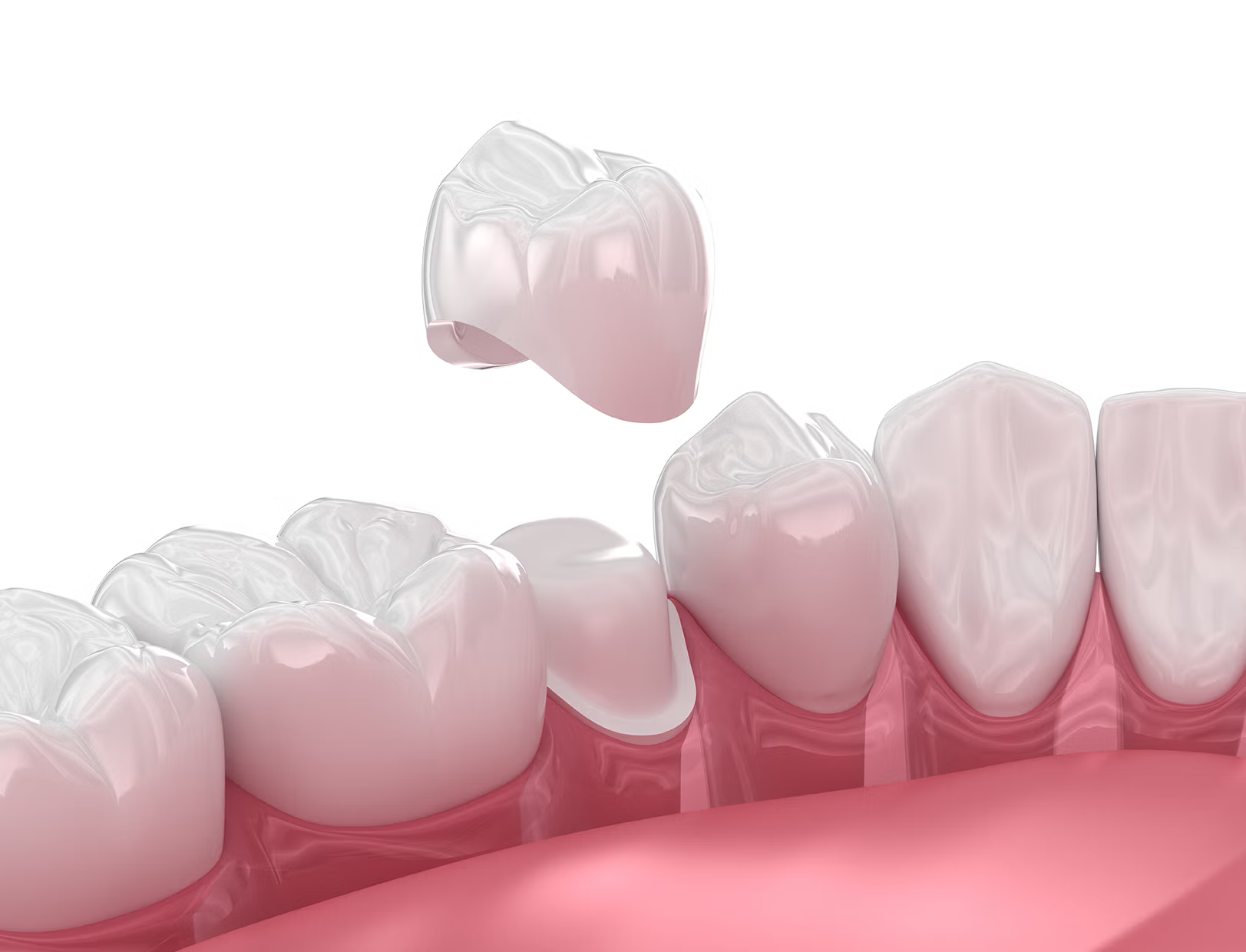
Zirconia crowns are full-coverage dental restorations made from zirconium dioxide, a strong ceramic material used in modern dentistry.
In pediatric dentistry, prefabricated zirconia crowns are used to restore primary (baby) teeth that have extensive decay, fractures, or certain developmental defects.
Unlike stainless steel crowns, which have a silver metallic appearance, zirconia crowns are white and designed to resemble natural teeth.
They cover the visible portion of a prepared tooth, helping restore its shape, protect the remaining tooth structure, and support normal chewing.
At Young Smiles Pediatric Dentistry, zirconia crowns are among the pediatric dental crown options available for children who need restorative treatment.
When Does a Child Need a Zirconia Crown?
Not every cavity requires a dental crown. Smaller areas of decay may be treated with fillings, while more extensive damage may require full-coverage restoration.
A pediatric dentist may consider a zirconia crown when a child has:
- Extensive tooth decay: Large cavities affecting multiple surfaces of a baby tooth.
- Broken or fractured teeth: Structural damage that makes a regular filling less suitable.
- Developmental tooth defects: Certain conditions that affect the strength or structure of tooth enamel.
- Teeth requiring full coverage after pulp therapy: Some treated teeth need additional protection against further damage.
- Visible damage to front teeth: When a tooth-colored restoration is appropriate and aesthetics are an important consideration.
The recommendation depends on the tooth's location, remaining structure, the child's age, oral health, and individual treatment needs.
5 Benefits of Zirconia Crowns for Children
Zirconia crowns offer several features that make them an attractive restorative option for children.
1. Natural-Looking Appearance
One of the biggest advantages of zirconia crowns is their tooth-colored appearance.
Unlike traditional stainless steel crowns, zirconia restorations are white and can blend more naturally with surrounding teeth.
This is especially appealing when restoring front baby teeth that are visible when children smile, speak, or laugh.
2. Strong Ceramic Material
Zirconia is known for its strength and resistance to fracture.
Children use their teeth throughout the day for biting, chewing, and speaking. A properly fitted zirconia crown provides full coverage that helps protect a damaged tooth during everyday activities.
3. Smooth, Polished Surface
Zirconia crowns have a smooth ceramic surface that can help limit plaque accumulation compared with some alternative restorative materials.
Research has also reported favorable gingival health outcomes with zirconia crowns. However, proper brushing, flossing, and professional dental care remain essential.
4. Full-Tooth Coverage
Unlike fillings that restore only the affected portion of a tooth, zirconia crowns cover the entire visible portion of the prepared tooth.
This provides additional protection for teeth with extensive decay or structural damage.
5. Aesthetic Alternative to Metal Crowns
Some parents prefer not to have visible silver crowns on their children's teeth.
Zirconia provides a tooth-colored alternative for families who prioritize appearance while still needing full-coverage restorative treatment.
Zirconia Crowns vs. Stainless Steel Crowns: Which Is Better?
Both zirconia and stainless steel crowns are used to restore damaged baby teeth. However, they differ in appearance, placement requirements, and certain clinical characteristics.
Neither option is the best choice for every child.
The American Academy of Pediatric Dentistry recognizes zirconia crowns as an aesthetic alternative to stainless steel crowns. However, stainless steel crowns generally have better retention, and evidence supporting zirconia crowns for posterior primary teeth remains limited.
A pediatric dentist can evaluate the tooth and explain which restoration is most appropriate.
Are There Any Disadvantages to Zirconia Crowns?
Although zirconia crowns have several advantages, parents should also understand their limitations.
More Tooth Preparation May Be Necessary
Zirconia crowns generally require more tooth reduction than stainless steel crowns to achieve proper placement and fit.
This is an important consideration when evaluating treatment options.
They Cannot Be Adjusted Like Metal Crowns
Unlike stainless steel crowns, zirconia crowns cannot be conventionally crimped or adjusted during placement.
The tooth must be prepared carefully to accommodate the prefabricated crown.
They May Not Be Suitable for Every Tooth
The location and condition of the affected tooth influence whether zirconia is appropriate.
For some back baby teeth, stainless steel crowns may be preferred because of their retention characteristics and clinical track record.
Your child's pediatric dentist will consider these factors before recommending treatment.
What Happens During a Pediatric Zirconia Crown Procedure?
Understanding the treatment process can help parents feel more prepared for their child's dental appointment.
The exact procedure depends on the tooth and the child's individual needs, but it generally involves these steps.
Step 1: Dental Examination
The pediatric dentist examines the affected tooth and evaluates the extent of decay or damage.
Dental X-rays may also be recommended to assess the tooth's internal structure and surrounding tissues.
Step 2: Tooth Preparation
If a zirconia crown is appropriate, the dentist removes the damaged portions of the tooth and carefully shapes the remaining structure.
The preparation must accommodate the crown's size and design.
Step 3: Crown Selection and Fitting
The dentist selects an appropriately sized zirconia crown and checks its fit and positioning.
Because zirconia crowns cannot be adjusted like stainless steel crowns, proper tooth preparation and crown selection are especially important.
Step 4: Crown Placement
Once the crown has been properly fitted, it is secured using an appropriate dental cement.
The dentist checks the restoration's positioning and bite alignment.
Step 5: Aftercare Instructions
Parents receive instructions on caring for the restored tooth, including brushing, flossing, dietary habits, and follow-up dental appointments.
How Do You Care for a Child's Zirconia Crown?
A dental crown does not eliminate the need for good oral hygiene.
Although the zirconia material itself cannot develop cavities, the natural tooth underneath and around the crown's edges can still develop decay.
Parents can help protect their child's restored tooth by following these practices:
- Brush twice daily: Use a soft-bristled toothbrush and age-appropriate fluoride toothpaste.
- Floss daily: Clean between teeth to remove plaque and food particles.
- Limit sugary snacks and drinks: Frequent sugar exposure increases the risk of tooth decay.
- Avoid excessively hard foods: Discourage chewing ice, hard candy, and other objects that may damage teeth or restorations.
- Schedule regular checkups: Professional examinations help monitor the crown and surrounding teeth.
If your child experiences discomfort, swelling, crown damage, or changes in their bite, contact their dentist for an evaluation.
What Happens When a Baby Tooth With a Zirconia Crown Falls Out?
Parents sometimes worry about what happens when a restored baby tooth eventually needs to come out.
Baby teeth naturally loosen and fall out as permanent teeth develop underneath them. A properly placed crown generally remains attached to the baby tooth until the tooth is ready to exfoliate.
The crown does not prevent the normal development and eruption of permanent teeth.
However, if a baby tooth becomes loose unusually early, causes discomfort, or appears to be affecting the eruption of a permanent tooth, a pediatric dentist should evaluate it.
Where Can You Get Zirconia Crowns in Arlington, VA?
If your child has extensive tooth decay, a damaged baby tooth, or needs a full-coverage dental restoration, choosing a pediatric dental practice is an important step.
At Young Smiles Pediatric Dentistry, we focus exclusively on children's dental care. Led by Dr. Natalie Muir-Young, our board-certified pediatric dentist, our team provides restorative dental services in a welcoming, child-friendly environment.
We offer several pediatric dental crown options, including zirconia, stainless steel, and resin crowns. Our approach focuses on evaluating each child's individual needs and helping parents understand their available treatment options.
Whether your child needs a crown to protect a damaged baby tooth or you want to explore a more natural-looking restoration, we're here to help.
Schedule a consultation with Young Smiles Pediatric Dentistry in Arlington, VA.
Call (703) 214-5585 or visit our office at 3650 S Glebe Road, Suite 180, Arlington, VA 22202.
Frequently Asked Questions About Pediatric Zirconia Crowns
1. How long do zirconia crowns last on baby teeth?
Zirconia crowns are designed to protect primary teeth until they naturally fall out. Their longevity depends on the crown's fit, the child's oral hygiene, the condition of the underlying tooth, and regular dental care.
2. Are zirconia crowns better than stainless steel crowns?
Not necessarily. Zirconia crowns offer a more natural appearance, while stainless steel crowns generally provide better retention and require less tooth preparation. The best option depends on the child's specific dental needs.
3. Can children eat normally with zirconia crowns?
Generally, yes. Children can return to normal eating habits after their crown has been properly placed. However, avoiding excessively hard foods and maintaining good oral hygiene are important.
4. Do zirconia crowns look like natural teeth?
Yes. Zirconia crowns are white and designed to resemble natural teeth. Their tooth-colored appearance makes them a popular alternative to metallic crowns.
5. Are zirconia crowns safe for baby teeth?
Zirconia crowns are an established restorative option in pediatric dentistry. They can be appropriate when a child needs full-coverage restoration. A pediatric dentist should evaluate the tooth before recommending treatment.
6. Do baby teeth really need dental crowns?
Some baby teeth require crowns when decay or structural damage is too extensive for a regular filling. Restoring these teeth can help maintain chewing function and preserve space for permanent teeth until natural exfoliation.
7. Where can I find zirconia crowns for kids in Arlington, VA?
Young Smiles Pediatric Dentistry offers pediatric dental crown options, including zirconia crowns, at its Arlington, Virginia, office. Parents can call (703) 214-5585 to schedule a consultation.
Help Protect Your Child's Growing Smile
A damaged baby tooth does not always need to be removed. Depending on its condition, a dental crown may help restore its structure and protect it until the permanent tooth is ready to emerge.
If you're considering zirconia crowns for your child, Young Smiles Pediatric Dentistry is here to help you explore the available treatment options.
Contact Young Smiles Pediatric Dentistry today at (703) 214-5585 to schedule your child's dental consultation in Arlington, VA.